
SERIOUS TRAINING 26
Intensity—Past, Present, Future (Part 1 of 2)

It never occurred to me when I was running track in high school and later in college that I should measure the intensity of a workout. I often knew how fast I was running because the coach would sometimes call out our lap times as we circled the track. At the time, we didn’t call that “intensity.” No one used that word. It was simply “speed” or “pace.”
Away from the track, it didn’t make much difference since we had neither measured courses nor personal timing devices. Those were still several years in the future. But we could always tell the effort of a run by how it felt. We described the effort with simple language—very easy, easy, moderate, hard, or very hard. That seemed perfectly normal at the time. And simple. What more could we want?
1960s
Then, in 1969—three years after college—I bought one of the first Japanese-made Seiko wristwatches with a built-in stopwatch. Such a small thing, but it was amazing at the time. If I happened to be on a measured course (which was rare), I could determine my running pace. That was pretty cool. I no longer needed a coach standing on the track to tell me how fast I was running.
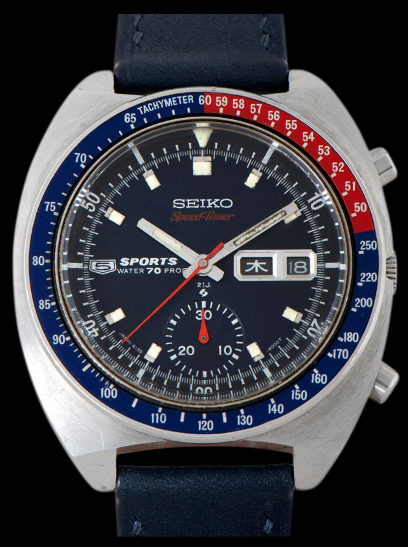
Even so, we still relied primarily on those simple descriptions of effort: very easy, easy, moderate, hard, and very hard. Pace was useful information, but how the workout felt remained more important.
Takeaway
Timing workouts was already common, so adapting to the Seiko stopwatch was easy. The watch simply added another piece of information. Most importantly, it fit nicely with my internal sense of effort. Pace and perceived exertion worked together, and for many years that was all we needed.
But things began to change remarkably in the 1970s.
