
SERIOUS TRAINING 22
At What Age Do We Slow Down?

That’s a difficult question to answer, but some of us already know the answer. The youngest readers are yet to find out. But there’s an obvious problem with trying to answer it. When young, at the high point of racing, we typically have a rollercoaster of performances. There’s a fast race followed by one or more slower ones. So we can’t answer that slow-down question yet as it could change next year—or even a few years later.
Much of what we know about the high-performance and what’s possible comes from studying young professionals, especially their performances with aging. The fastest times at the professional level in endurance sports are generally somewhere between ages 23 and 35. But there are many exceptions at both ends. If we look at 3 of the major endurance events, we can find a few athletes who have raised the aging bar above 35.
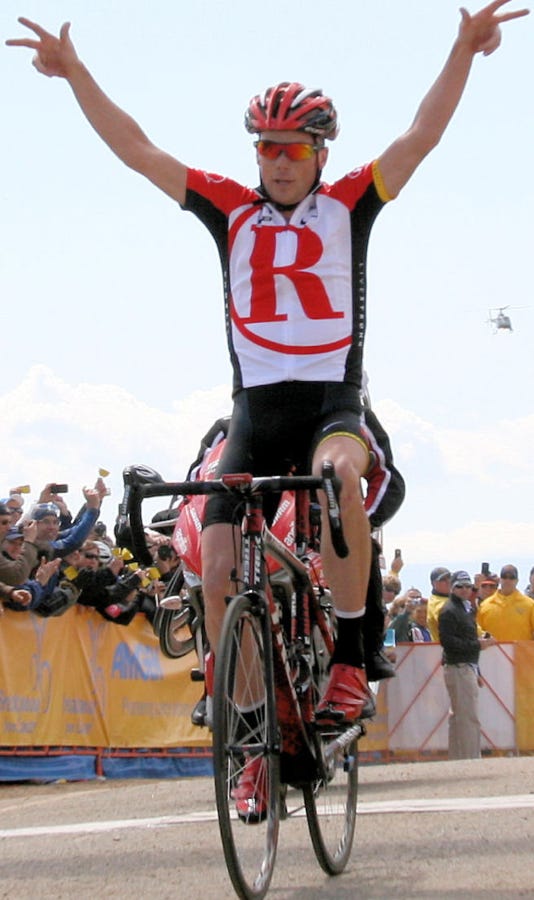
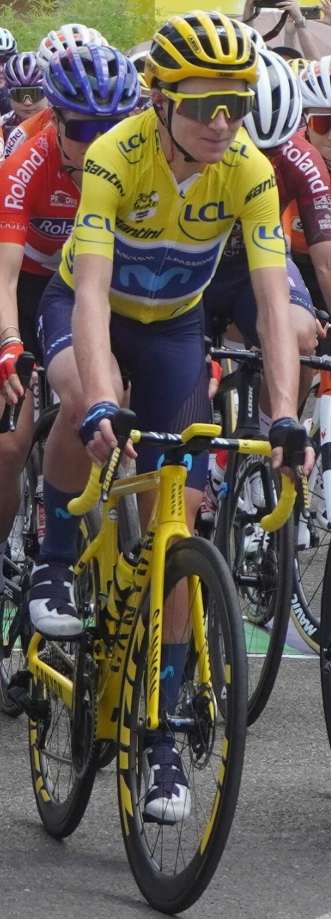
For example, American Chris Horner (picture below) is the oldest male winner of any of cycling’s 3 Grand Tours. He took the Vuelta a España in 2013 at age 41. That’s ancient by pro standards. And across all major endurance events, regardless of sport, he is the oldest of all time. On the women’s side in cycling, the oldest Grand Tour winner is Annemiek van Vleuten (below) of the Netherlands who at age 39 won the Tour de France Femmes and the following year at 40 won the 2023 La Vuelta Femenina. She’s another “very old” profesional athlete and also the oldest female of all time in a major event regardless of sport.
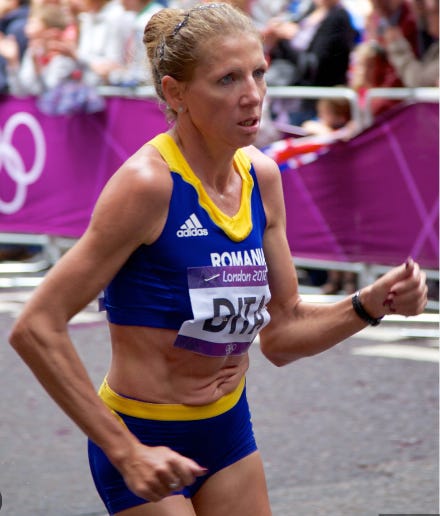
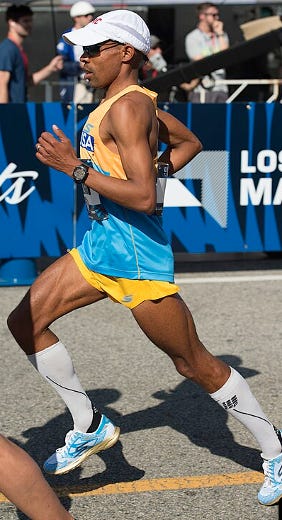
How about “old” marathon winners of major events? Romanian Constantina Diță (below) topped the women’s marathon field at the 2008 Beijing Olympics in 2:26:44 at age 38 making her the oldest female major marathon champion in history. The oldest male marathon winner in the major races around the world is American Meb Keflezighi (below). In the 2014 Boston Marathon he won ,at age 38, in 2:08:37.
The Ironman World Championship’s oldest winners were also in their late 30s when they took the top step of their podiums. Natascha Badmann (below) of Switzerlandwas 38 when she won for the sixth time in 2005 and Australian Craig Alexander (below) won 3 times with his oldest at age 38 in 2011.
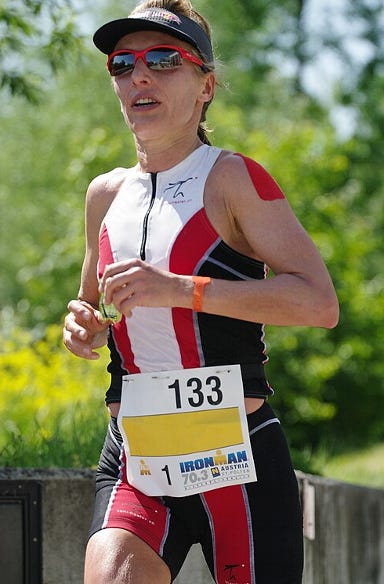
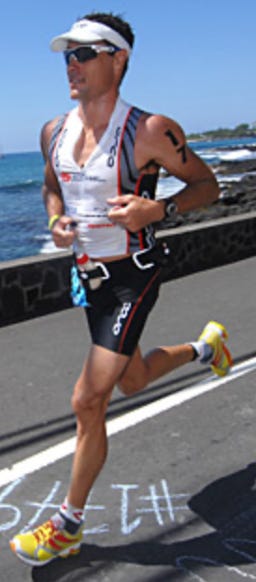
Across these very different endurance sports, the aging trend is the same. Usually, peak winning ages for such events cluster in the late 20s to early 30s. That roughly 10-year period is typically the golden age range for endurance athletes. As evidenced above, there are exceptional outliers in their late 30s and even in their early 40s—but they are rare. Horner at age 41 and van Vleuten at 40 are unmatched.
What we can learn from this small cohort is that high-performance endurance can be maintained for years if training, health, genetics, and lifestyle are optimized. But the peak physiological capacity that comes with aging still sets limits at the very highest level in sport. We are never going to see a 50-something athlete win any of these events. The bar is too high for that age. Late 40s is also dubious. The mid-40s, however, is certainly a possibility—but I wouldn’t bet the house on it.
Of course, in the real world of amateur sports, these oldest winners of major events are far from being “old” as we typically use the term. They were just older than the others they were racing against. There is also the possibility that they were just at the right places at the right times. Those two 40-something cyclists may be the last that ever win a major event. Time will tell.
What does all this mean for you? Let’s take a deeper dive into what’s going on with your aging body—even though you may only be in your late 30s or early 40s. This may help you decide, with aging in mind, how training can help your performance. You aren’t getting any younger.
